
We thought it might be interesting to explore some of the more thought-provoking books published in recent years, each offering unique perspectives on Scotland’s history and culture.
What shaped the country into what it is today? What lies beneath its most famous events? How have its people contributed to the wider world, both past and present? And who were the individuals who drove change and left a lasting impact?
Every week we will showcase two publications for your consideration.
Today we highlight, 𝐁𝐞𝐟𝐨𝐫𝐞 𝐒𝐜𝐨𝐭𝐥𝐚𝐧𝐝: 𝐓𝐡𝐞 𝐒𝐭𝐨𝐫𝐲 𝐨𝐟 𝐒𝐜𝐨𝐭𝐥𝐚𝐧𝐝 𝐁𝐞𝐟𝐨𝐫𝐞 𝐇𝐢𝐬𝐭𝐨𝐫𝐲, 𝐛𝐲 𝐀𝐥𝐢𝐬𝐭𝐚𝐢𝐫 𝐌𝐨𝐟𝐟𝐚𝐭.
Firstly a disclaimer. We love Alistair Moffat’s books. Here, he challenges the view of history as a linear progression, arguing that people in Scotland 10,000 years ago thought and acted much like we do today. His engaging survey explores Scotland’s evolving landscape and early settlers, presenting archaeological evidence of their homes, tools, and monuments while also examining the deeper human impulses behind them. With insightful reflections on ancient echoes in modern life, this book vividly brings Scotland’s past to life.
We would also draw your attention to another Moffat masterpiece, his great work on 𝐓𝐡𝐞 𝐒𝐞𝐚 𝐊𝐢𝐧𝐠𝐝𝐨𝐦𝐬: 𝐓𝐡𝐞 𝐇𝐢𝐬𝐭𝐨𝐫𝐲 𝐨𝐟 𝐂𝐞𝐥𝐭𝐢𝐜 𝐁𝐫𝐢𝐭𝐚𝐢𝐧 & 𝐈𝐫𝐞𝐥𝐚𝐧𝐝.
I can still see in my mind’s eye the image he created of the last stand of the druids on Anglesey. ‘In 60 AD Suetonius Pallinus brought the 20th Legion along the coast road of North Wales. When the hard-bitten veterans formed up in ranks on the Snowden side of the Menai Straits, many of them paused at the sight which greeted them. In front of the army of Ordovices, the tribe that lived on Anglesey, wild, black-haired women screamed curses at the invaders. Like furies, with their bodies streaked with ash, they leapt into the water to hurl insults. Behind the tribesmen and their ghost fences stood their Druids, arms aloft, imploring their sky gods to descend and destroy the Romans, who had dared to challenge their power.’
The Sea Kingdoms is a narrative history that follows a journey from Shetland down Scotland’s west coast, through the Outer Hebrides and the Isle of Man, over to Ireland, then looping back through Anglesey, the Welsh coast, and Cornwall. Inspired by Patrick Leigh Fermor’s style, Moffat uses this voyage as a gateway into oral histories, ancient legends, and key moments in Celtic history. His storytelling is steeped in myth and sensuality, filled with both tragedy and bloodshed.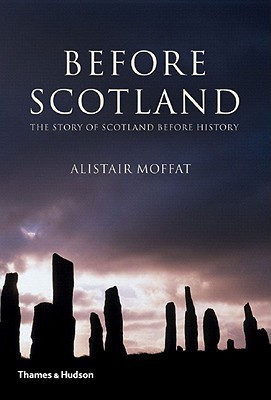

 French Phillips Historical Consultancy